
What to order with beer when you don’t feel like having a heavy meal
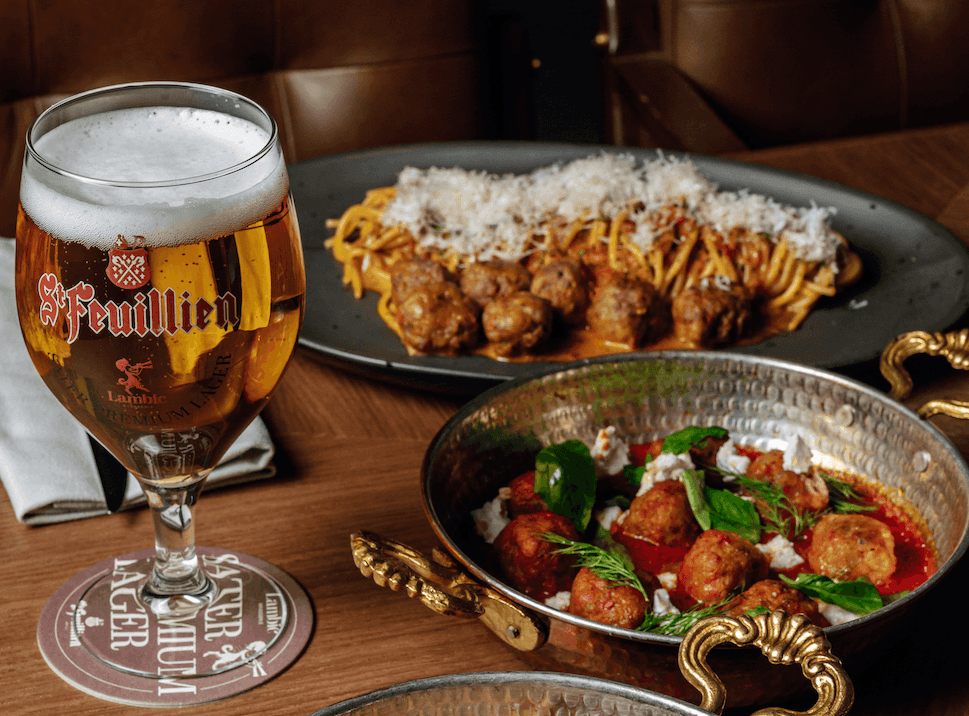
- Why You Don’t Need Heavy Snacks with Beer
- Light Dishes: Salads, Seafood and Vegetables
- Which Beer Styles Pair Well with Light Food
- What to Order with Beer in Summer or After Work
- How to Put Together a Light Dinner Without Overeating
- Visit Lambic
Beer is often associated with hearty snacks, grilled meat, burgers and fries. But a good beer dinner doesn’t have to be heavy. Salads, vegetables, seafood, fish and light snacks also pair well with different beer styles. The key is to consider the intensity of both the food and the drink. The more delicate the dish, the lighter and fresher the beer should be. We’ll tell you which light snacks to make at home or order at restaurants, including Lambic.
Why You Don’t Need Heavy Snacks with Beer
Pairing beer with food is all about balancing flavours. The bitterness, malty sweetness, acidity and carbonation of beer make it possible to find a suitable match for almost any ingredient.
Lager is refreshing and doesn’t overpower vegetables or delicate fish. Wheat beer pairs well with herbs, citrus sauces and seafood. Blonde ale goes well with poultry and fish, while fruit beers can complement dishes featuring berries, fruit or soft cheeses.
So, instead of the usual selection of fried snacks, you can put together a полноценный light dinner and choose a beer style to match.
Light Dishes: Salads, Seafood and Vegetables
One of the simplest food options to enjoy with beer is a salad. It’s best to choose dishes based on fresh vegetables, greens, fish or seafood rather than large amounts of mayonnaise or fried ingredients.
Lambic’s menu features a wide selection of salads, including a large green salad with salmon, a salad with shrimp and stracciatella, tuna niçoise, burrata with tomatoes and strawberries, and many more.
Here’s what we recommend ordering and which beers to pair it with:
- — Fresh vegetables and green salads — lager, pilsner, blanche or blonde ale.
- — Shrimp and other seafood — blanche, witbier, pilsner or blonde ale.
- — Tuna and other more flavourful fish — blonde ale, pale ale or a mild IPA.
- — Grilled vegetables — lager, amber ale or blonde ale, depending on how deeply they’re grilled.
- — Burrata and soft cheeses — blanche, blonde ale or a light fruit beer.
Which Beer Styles Pair Well with Light Food
For a light dinner, it’s usually best to choose beers without excessive maltiness or pronounced bitterness:
- — Lager and pilsner — the most versatile options. Their clean, refreshing taste pairs well with vegetables, salads, shrimp and white fish.
- — Blanche and witbier pair particularly well with seafood and vegetables. Wheat beers have characteristic citrus and spicy notes, making them an excellent match for dishes with lemon, lime, herbs and light sauces.
- — Belgian blonde is slightly richer than lager, making it a good choice for tuna, salmon, poultry or cheese salads.
- — Pale ale and moderately bitter IPA work well when a dish has more pronounced flavours, such as seared tuna, spices or a tangy dressing.
Lambic’s beer menu features everything from light lagers and wheat beers to IPAs, fruit beers and other Belgian styles. This makes it easy to choose a beer with the right intensity for each dish.
What to Order with Beer in Summer or After Work
On a hot day or after work, you often want something fresh and light rather than a full dinner. In this case, one dish and one beer style are all you need. For example, try a vegetable salad with lager or blanche, or a seafood dish with blonde ale or pale ale.
Fruit or dessert is another excellent option. You can pair them with cider, Brussels champagne or fruit beers such as kriek.
How to Put Together a Light Dinner Without Overeating
The main principle is to avoid combining several rich ingredients. If your main dish already contains cheese, cream sauce or fried components, there’s no need to add more heavy snacks.
You can follow a simple formula: «vegetables + protein + beer». For example, salad and shrimp, vegetables and fish, a green salad with tuna, or burrata with vegetables.
Sauce also plays an important role. Sometimes it’s the sauce itself that turns a light dish into something rich and high in calories. That’s why choosing the right beer pairing is especially important. Lager, pilsner or blanche go well with salads dressed with olive oil, citrus or herbs. Cheese-based, nutty and slightly sweet sauces call for more expressive beer styles, such as amber ale.
Visit Lambic
If quality beer and light restaurant food are your thing, come to Lambic! The menus at our beer restaurants offer a wide selection of dishes, including options for those who are watching their figure. Our beer list also features an impressive variety of beers from all over the world. We look forward to welcoming you!


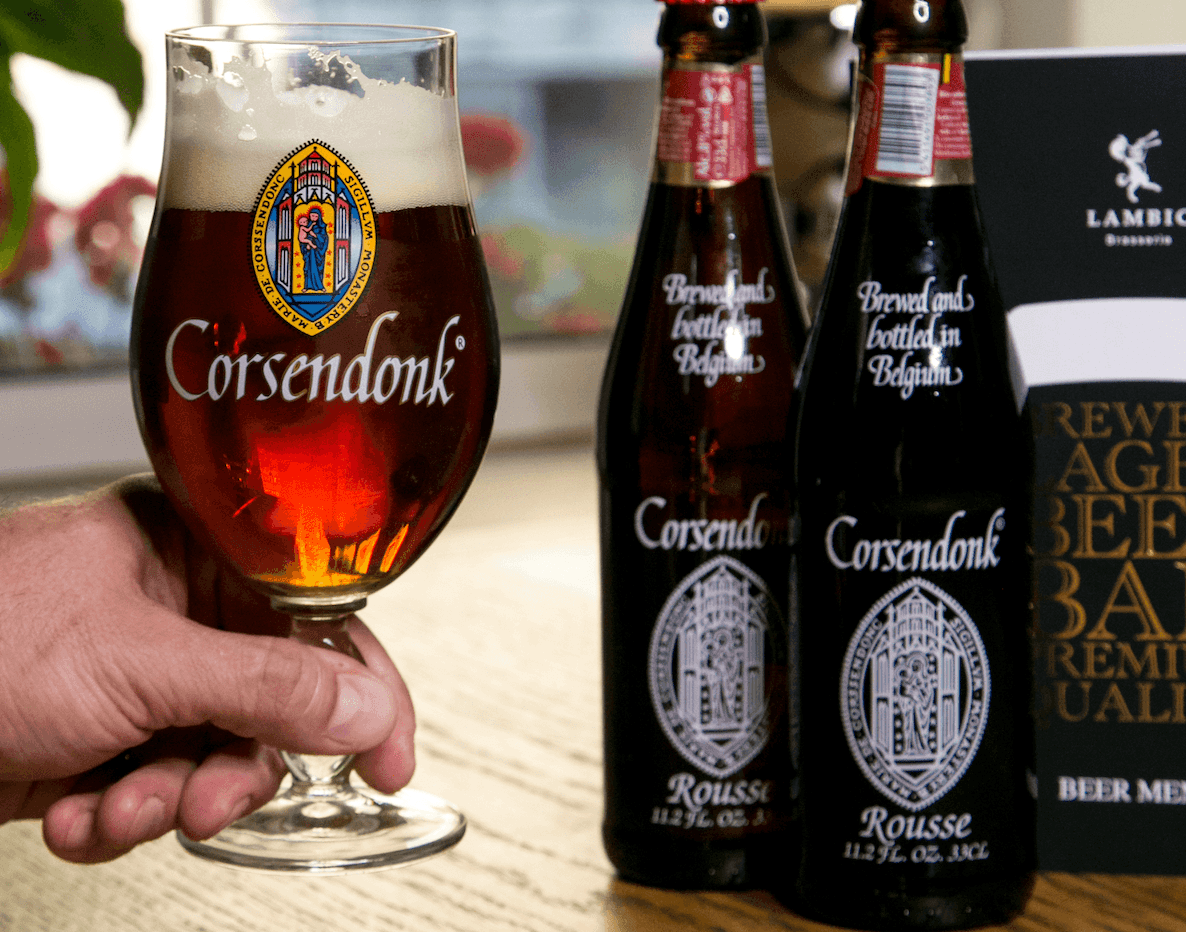
Corsendonk Blanche Beer: Belgian Classic with a Spicy Character
Contents From a Monastery Brewery to a Belgian Classic Taste Profile and Food Pairings Visit Lambic Corsendonk Blanche — a classic Belgian witbier that brings together everything people love about the style: lightness, fruity freshness, spice and a subtle hint of bitterness. Yet behind its light character lies a history spanning several centuries. Let’s explore where this beer came from, what makes it different from other wheat beers, and which dishes best bring out its flavour. From a Monastery Brewery to a Belgian Classic The history of the Corsendonk brewery dates back to the late 14th century. In 1398, the Corsendonk Augustinian Priory was founded in Oud-Turnhout, Belgium. Like many monasteries of the time, it had its own brewery and malt house, where beer was brewed for the community and its guests. This tradition continued for several centuries, until the monastery was closed in 1784 by order of Emperor Joseph II. The brewery ceased operations along with it. In 1906, Henricus Keersmaekers founded a new brewery while preserving the monastic brewing traditions. Half a century later, it was closed once again, this time for nearly three decades. A new chapter in the brand’s history began in 1982, when the historic Corsendonk name reappeared on beer labels. This marked the continuation of an age-old monastic tradition within modern Belgian beer culture. Today, the Corsendonk brand produces several beer varieties, including its world-famous witbier. Taste Profile and Food Pairings Corsendonk Blanche is an unfiltered Belgian white beer with an alcohol content of 4.8%. It has the characteristic pale colour of the style, with a natural cloudy appearance. Its bitterness is quite mild, so the hops are barely noticeable on the palate. The aroma features distinct notes of orange and coriander. These are complemented by soft malty notes and a gentle spiciness on the palate. The result is a fresh, rounded and delicate beer, making it an ideal choice for a summer evening or a relaxing break. Corsendonk Blanche is one of the best choices for discovering Belgian wheat beer. It is light, refreshing and full of character, with almost no bitterness, making it an excellent option even for those who prefer the mildest beer styles. The fresh citrus and spice profile of Corsendonk Blanche pairs particularly well with light dishes such as fish and seafood, salads, vegetables, poultry and mild cheeses. Visit Lambic Visit Lambic beer restaurants and discover Belgian classics for yourself. We’ll serve Corsendonk Blanche just as it should be and help you choose a dish that brings out its fresh, fruity and spicy character. We look forward to welcoming you!
19 November 2026
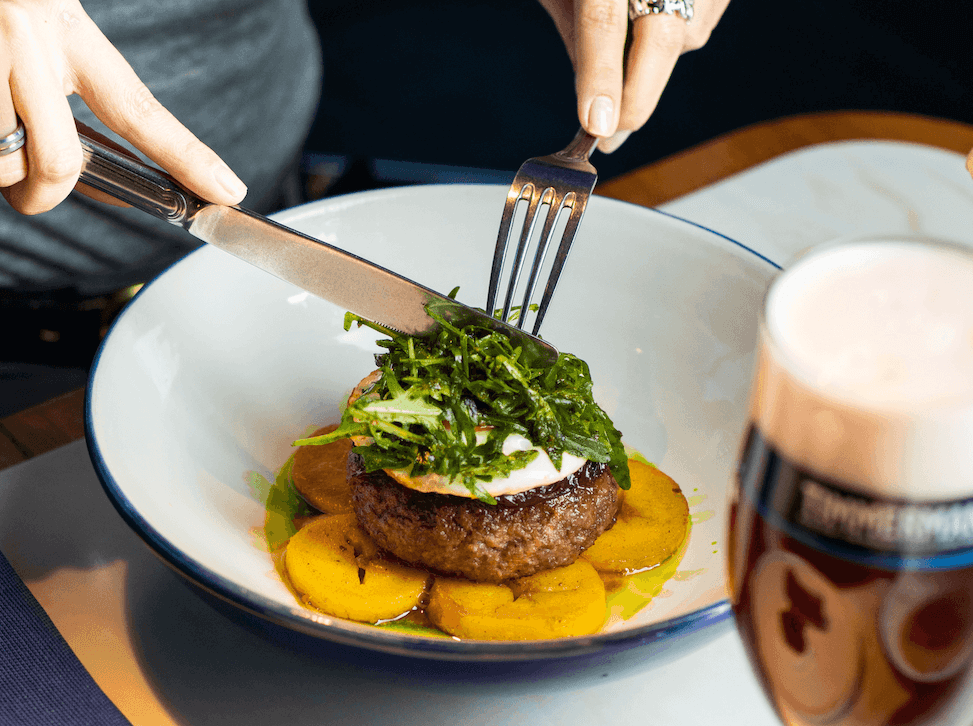
Beer and Grilled Food: How to Choose the Right Beer for Meat, Poultry, Fish and Vegetables
Contents Why grilled dishes pair well with beer Beer with meat and steaks What to choose for poultry and fish Beer with grilled vegetables How to choose a beer style based on the sauce and the intensity of the dish Visit Lambic Grilled dishes can be very different: from juicy ribeye steaks and spicy sausages to salmon, tuna, and vegetables. That is why there is no single beer style that pairs perfectly with every grilled dish. When choosing a beer, consider the fat content of the food, the intensity of its flavor, the degree of charring, and the spices and sauces used. The basic pairing principle is simple: the more intense the dish, the more expressive the beer should be. Light lagers, blonde ales, and wheat beers go well with fish and poultry that have delicate flavors, while amber and dark ales, IPAs, and stouts are better suited to beef, meat with a pronounced crust, and rich sauces. Why grilled dishes pair well with beer Grilling creates a distinctive browned crust on food, while the dish itself develops subtle smoky and caramel notes. Similar flavors — bready, nutty, caramel, and sometimes coffee and chocolate — can be found in beer thanks to the malt used in brewing. As a result, the flavors of the drink and the food naturally complement each other. There is another principle at work: contrast. Beer helps refresh your palate after fatty meat or a creamy sauce. Hop bitterness can balance richness, while the mild acidity of wheat beers and some Belgian styles works particularly well with fish, vegetables, and dishes with citrus notes. When choosing a pairing, consider four characteristics: the intensity of the dish, its fat content, the degree of charring, and the sauce. Beer with meat and steaks Grilled meat has a rich flavor, especially when it comes to ribeye, striploin, or New York strip steaks. A light, neutral lager can get lost alongside such meat, so it is better to choose a beer with a pronounced malt or hop profile. Here are some versatile recommendations for choosing the right beer to pair with steak: — Ribeye. IPA or pale ale balances the fat content and brings out the flavor of the seared crust. For steaks with pronounced smoky notes, try a stout or porter. — Lean steaks. Leaner cuts are best paired with a blonde ale or a moderately hopped pale ale, so the beer does not overpower the flavor of the meat. — Sausages and spicy meat. An amber ale is a versatile choice. Smoked sausages also pair well with dubbel, brune, or dark lager. With very spicy dishes, it is best to avoid an excessively bitter IPA, as it may intensify the heat. However, those who enjoy experimenting may find this combination appealing. What to choose for poultry and fish Poultry and most seafood have milder flavors than beef, so an overly rich dark beer can overpower the dish. Here are the beers we recommend pairing with fish and poultry: — Chicken and turkey. For poultry served without a rich sauce, choose a lager, pilsner, blonde ale, or blanche. These styles have a fresh flavor that does not compete with the delicate meat. If the chicken or turkey has been grilled to a pronounced golden-brown crust, an amber ale is a better choice — its malty notes will complement the flavor of the browned meat. — White fish. Sea bass, gilthead bream, and other white fish pair best with pilsner, light lager, blanche, or Belgian blonde. Wheat beers are particularly good at bringing out the flavor of fish served with lemon, herbs, vegetables, or aromatic seasonings. — Salmon and tuna. Grilled salmon can be served with a blonde ale, amber ale, or moderately hopped pale ale. Tuna has a density and texture closer to meat, especially when quickly seared on the outside while remaining juicy inside. So, in addition to light Belgian styles, you can pair it with a pale ale or a less aggressive IPA. Beer with grilled vegetables Lager, pilsner, blanche, and blonde ale pair well with zucchini, broccoli, cauliflower, peppers, and other relatively light vegetables. These styles preserve a sense of freshness without overpowering the flavor of the dish. Eggplant, mushrooms, and well-charred corn have a richer flavor. For these, try an amber ale or Belgian brune. The beer’s malty and caramel notes will complement the vegetables’ bold, slightly sweet, and smoky flavors. If the vegetables are prepared with plenty of spices, garlic, or aromatic herbs, try a pale ale or an IPA with moderate bitterness. For vegetables served with sweet chili sauce, a softer, maltier beer is a better choice: overly intense bitterness can make the sauce taste even spicier. How to choose a beer style based on the sauce and the intensity of the dish One common mistake is choosing beer based only on the main ingredient. A steak seasoned with salt and pepper and the same steak served with a creamy cheese sauce are completely different in flavor, and they call for different beers too. Flavor of the dish or sauce Beer styles to try Creamy, mushroom Blonde ale, amber ale, brune Peppery Amber ale, pale ale, moderate IPA Greens, herbs Pilsner, blonde ale, pale ale, IPA Barbecue, caramel and smoky notes Amber ale, dubbel, brune Teriyaki Blonde ale, amber ale Sweet chili Blanche, blonde ale, amber ale Mustard Lager, pilsner, amber ale Lemon, citrus sauces Blanche, witbier, pilsner Rich cheese sauce Tripel, amber ale, brune There is one more important rule: the intensity of the dish and the beer should match. Light dishes call for light beers, while richer dishes need something more expressive. For example, sea bass with vegetables is better complemented by a light lager or blanche than by a full-bodied stout. Ribeye with a pronounced crust, on the other hand, can be served with a dark ale or IPA. If the meat comes with a pepper, mushroom, or cheese sauce, choose a more complex beer. And if you would rather not spend time figuring out which grilled dishes to order with your beer, simply visit the Lambic beer restaurant. Our menu features a wide variety of interesting dishes, while our beer list includes hundreds of labels from around the world. We are sure to find the perfect food and beer pairing for you, so you can enjoy every moment!
19 November 2026