
European cuisine: history, characteristics, and popular dishes
- The history of European cuisine
- Types of European cuisine
- The most popular dishes of European cuisine
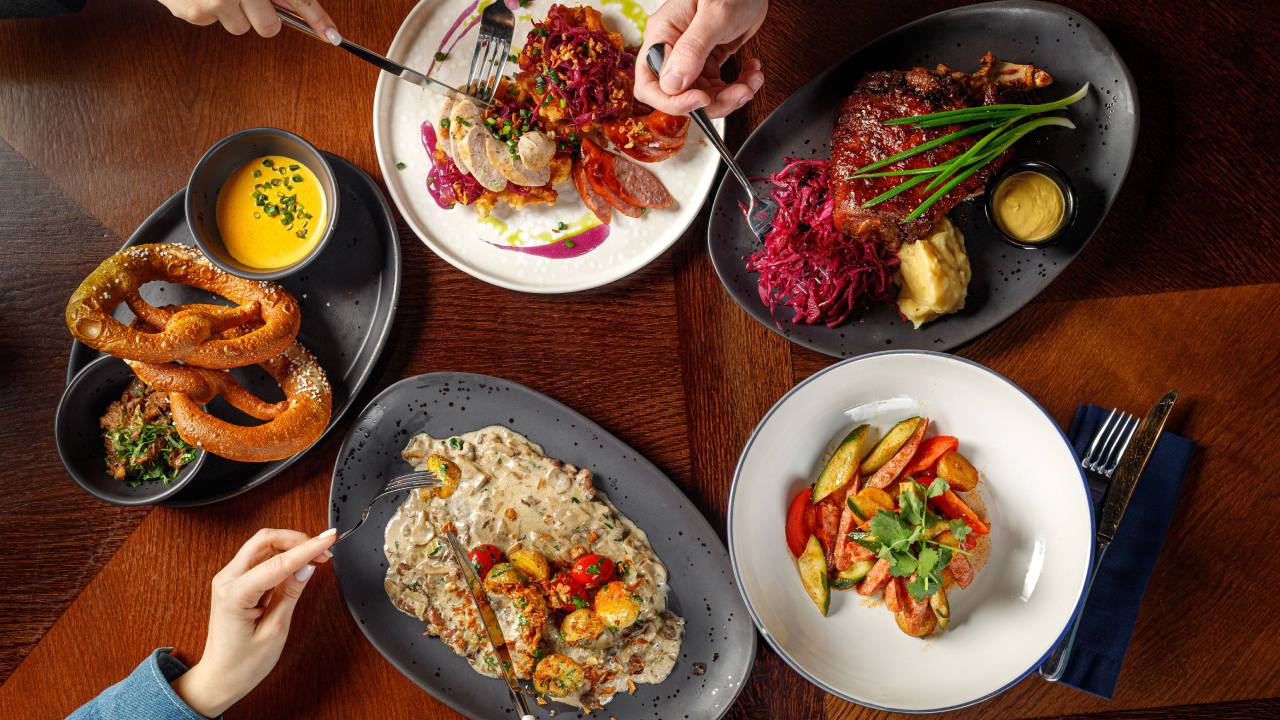
Italian pizza, Belgian waffles, German strudel, French frog legs... All these dishes, so different, are united by a common concept—European cuisine. It is truly multifaceted, as it incorporates the culinary traditions of all European countries, from Ireland to Turkey. What unites the cuisines of different nations? And what is the basis of famous European recipes? Find the answers in this article!
The history of European cuisine
The development of European cuisine began in the Middle Ages. The perfection that many recipes have achieved is largely due to the skill of the chefs who served at the courts of kings and noblemen. The cuisine of ordinary people has always been simpler and more modest, and this has also left its mark. For example, the poor often could not afford to eat meat, which led to the emergence of a huge number of dishes made from mushrooms, berries, wild fruits, and herbs.
The tastes of Europeans have transformed from era to era under the influence of historical events and the fusion of cultures. However, it is European cuisine that is often referred to as classic because it is based on meticulous selection of ingredients and high standards for their quality and freshness.
Types of European cuisine
European cuisine can be divided into several categories:
— Northern European (Britain, Scandinavia, the Baltic States) — based on fish and seafood dishes. The mild climate of the Baltic States has added the gifts of nature to it: vegetables, berries, grains, and mushrooms.
— Central European (Germany, Austria, Hungary, Czech Republic, Poland) — meat dishes, hearty vegetable side dishes, sweet pastries, and beer.
— Southern European or Mediterranean (Italy, Spain, Greece, Portugal) — an abundance of fish and meat, high-quality dairy products, fresh vegetables and herbs, and a cult of olive oil and wine.
— Western European (France, Belgium, Holland) – famous for its cheeses and dairy products. French cuisine stands out in particular, combining provincial simplicity with aristocratic sophistication.
The most popular dishes of European cuisine
Let's take a look at five iconic dishes that vividly illustrate the diversity of European cuisine.
Belgian waffles
If there is a dessert that can win anyone's heart, it is Belgian waffles. They are the pride of Western European, specifically Belgian, culinary tradition. There are two main types: Brussels waffles, which are light, airy, and rectangular, and Liège waffles, which are denser, oval-shaped, and contain caramelized sugar crystals inside.
Brussels waffles are served with savory fillings, from meat to fish, as well as with whipped cream, chocolate, fruit, and ice cream. Liège waffles are good on their own and can be eaten on the go as a filling and sweet snack. The secret to their unique texture lies in the special way the dough is prepared, often using yeast and a large amount of butter.
Fish and chips
This dish is a true symbol of Great Britain and a vivid representative of Northern European cuisine. It consists of golden slices of deep-fried fish (most often cod or haddock) in crispy batter, served with French fries.
The history of the dish began in the working-class areas of London in the 19th century. It was a hearty and inexpensive meal, simple and without frills. Traditionally, fish and chips were wrapped in paper and sprinkled with coarse salt and malt vinegar.
Salade Niçoise
This salad comes to us from sunny Provence and is the benchmark of Mediterranean cuisine. Its basis is freshness and color: ripe tomatoes, boiled eggs, crisp green beans, anchovies, olives, and lettuce leaves. A classic Niçoise salad always includes tuna (fresh or canned). The main feature of the salad is the dressing made from olive oil, lemon juice, garlic, and Provençal herbs.
Live mussels in sauce (Moules Marinières)
This dish epitomizes the cuisine of the Western European coast. The word “live” means that the mussels are cooked immediately after being caught. The classic method of preparation is Moules Marinières: mussels are stewed in a large pot with white wine, shallots, celery, and aromatic herbs (parsley, thyme). The result is a fragrant broth, which is also eaten.
Flemish beef
This dish is the jewel of Belgian and, to some extent, French cuisine in the Flanders region. It is a hearty and aromatic beef stew that is simmered for a long time until it is incredibly tender. The main feature and secret of its taste is the use of dark beer instead of wine or broth. Onions, herbs, and often mustard are also added to the stewed meat.
Tiramisu
One of the most famous desserts, invented in northeastern Italy, in the Veneto region. Classic tiramisu is a layered dessert where light and airy cream made from mascarpone cheese, eggs, and sugar is alternated with savoiardi biscuits soaked in strong black coffee. The finishing touch is cocoa powder, which adds a slight bitterness.
Contrary to popular belief, the authentic recipe does not use alcohol, although some variations may include a little Marsala or liqueur. Tiramisu is not baked but refrigerated, which allows it to “mature” and achieve the perfect delicate consistency.
You can try delicious European cuisine at the Lambic restaurant chain. Our menu has everything from first courses and hot dishes to exquisite desserts. We also offer an extensive beer list and an excellent selection of wines. Come and visit us—it's cozy here!


Chimay Red: A Unique Trappist Beer with Monastic Roots
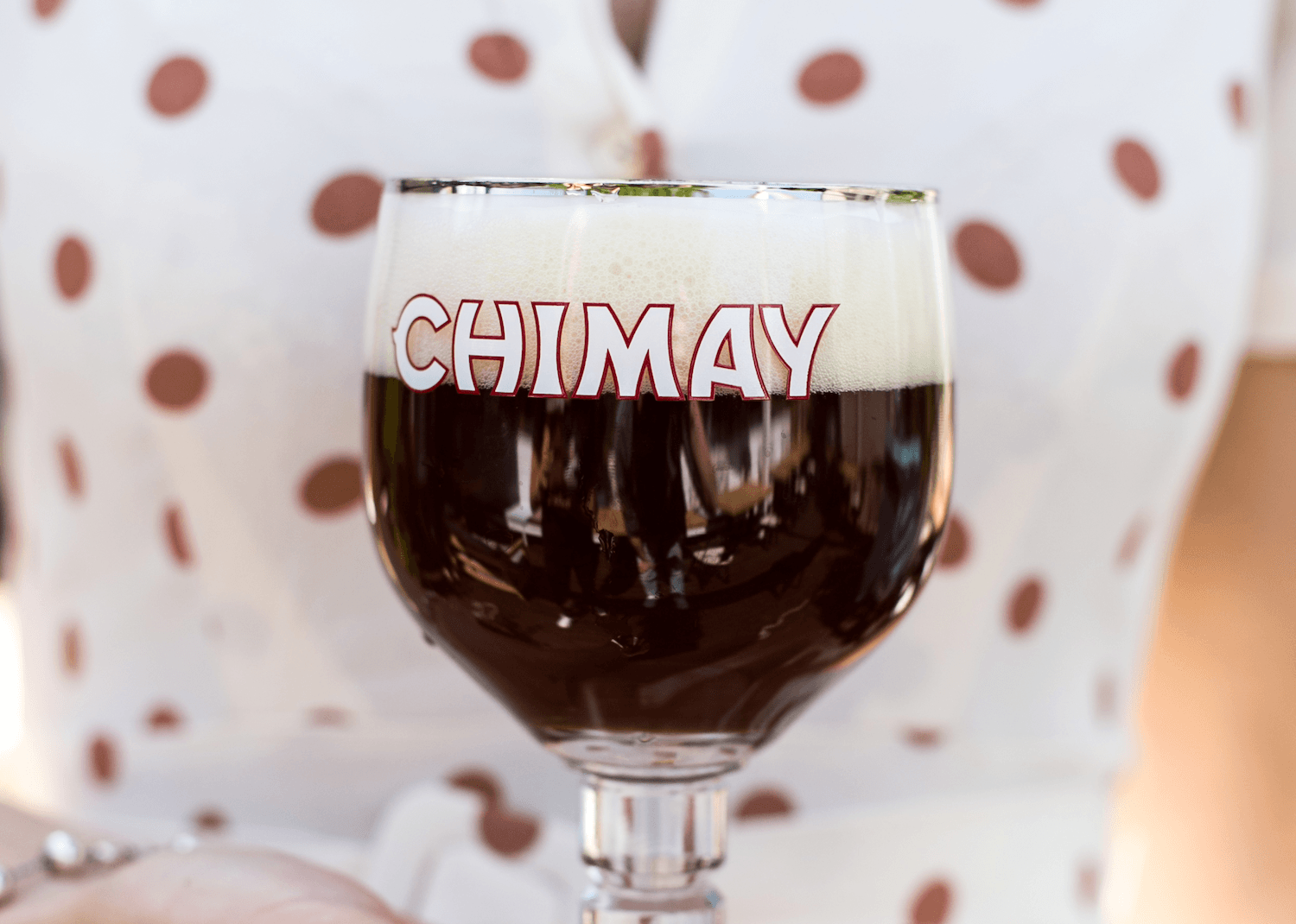
Contents Back to the Past: The Monks’ First Beer Taste Profile: Fruity Depth and Malt Softness Food Pairings: What to Serve It With Chimay Red — a legendary Belgian beer brewed under the supervision of Trappist monks at the Notre-Dame de Scourmont Abbey. The beer’s main strength is its rich, silky flavour, where pronounced sweetness intertwines with a slight bitterness and pleasant astringency. In this article, we will explore the history of Chimay Red, its distinctive taste characteristics, and how to pair it properly with food. Back to the Past: The Monks’ First Beer The history of Chimay Red began in 1862, when brewers at Scourmont Abbey first brewed this beer. At the time, it was called «Première», meaning «first». Production was later suspended, and after the Second World War, the beer was recreated according to a recipe by Father Theodore. Chimay Red was the starting point for the legendary range that later included the world-famous Chimay Blue and Chimay Triple. The beer is produced in accordance with strict rules that allow it to carry the status of an authentic Trappist beer. It is brewed on the monastery grounds under the supervision of the community, while the proceeds are used for charitable causes and the maintenance of the abbey. The beer is neither filtered nor pasteurised, but undergoes secondary fermentation in the bottle, which makes its flavour more intense and complex. Taste Profile: Fruity Depth and Malt Softness Chimay Red — a 7% dark ale with top fermentation. Its colour ranges from copper to deep ruby red, while the head is dense and cream-coloured. Fruit and berry notes intertwine in the flavour and aroma — strawberry, apricot, cherry and fig. The malt adds notes of nuts and caramel. You may also detect hints of liquorice, spices, and even subtle earthy or leathery notes characteristic of the Trappist style. The hop bitterness is present in the flavour, but it is soft and refreshing, helping to balance the sweetness of the malt. The finish is long and warming, leaving a pleasant caramel aftertaste. Food Pairings: What to Serve It With Chimay Red — a versatile beer: its rich yet soft flavour complements a wide range of dishes: Cheeses. Mature, buttery cheeses (Gouda, Brie) or piquant washed-rind cheeses are excellent choices. Those who like to experiment can try it with Gorgonzola or nutty cheeses. Meat and poultry. The beer makes an excellent pairing with poultry, braised meat or meat stews. It also pairs well with beef, pork and especially dishes served with tomato-based sauces. Desserts. Chocolate desserts and caramelised nuts are the best choices. To experience the unique character of Chimay Red for yourself, visit any Lambic beer restaurant — we will serve it according to all the proper traditions: at an optimal temperature of 10—12°C in a traditional glass. Our waiters will also help you choose the perfect appetiser to accompany it and recommend other interesting beers from our beer menu. We look forward to welcoming you!
29 September 2026
What Is Gastropairing in Simple Terms: How Food and Beer Complement Each Other
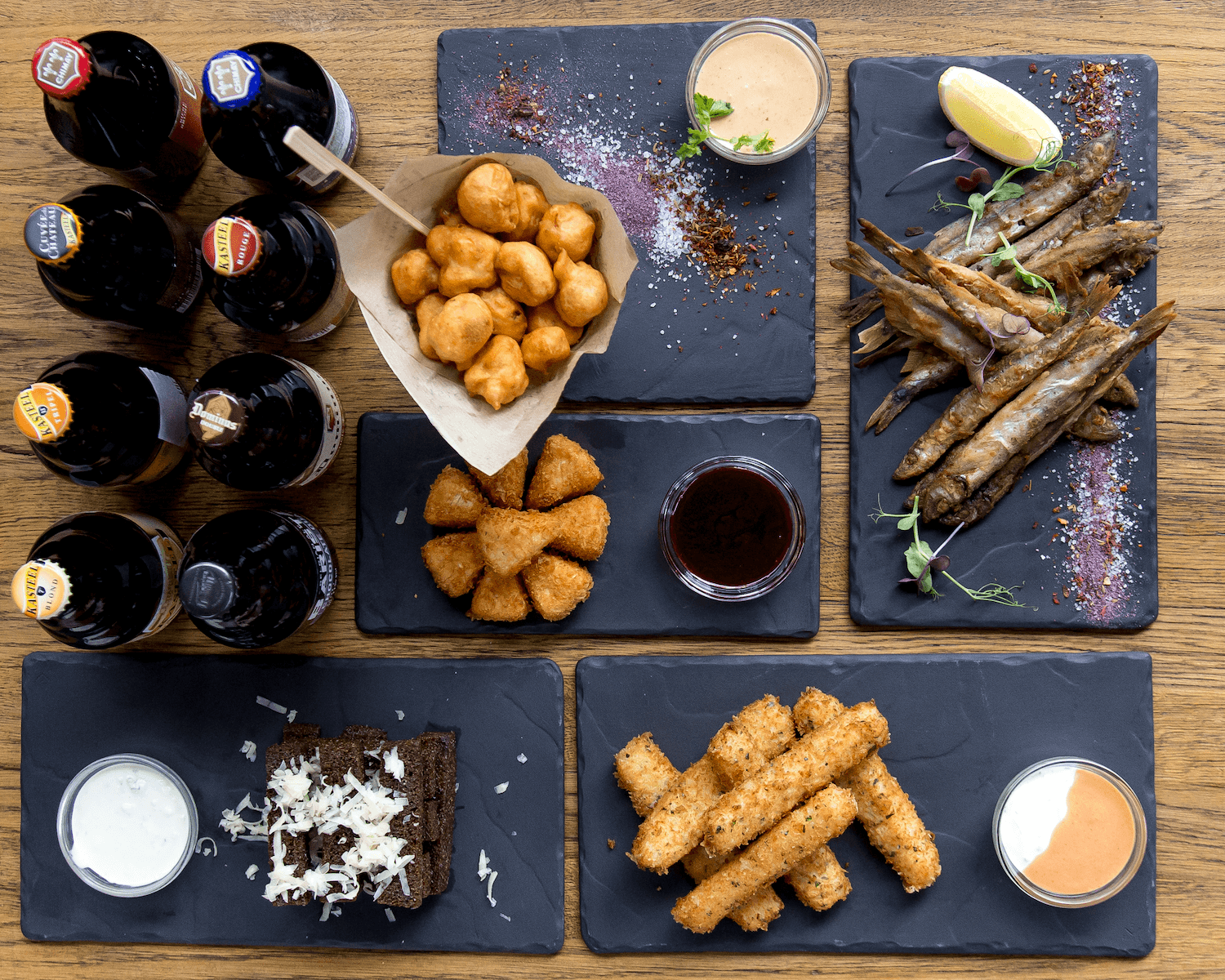
Contents What Does Gastropairing Mean? The Principle of Similar Flavours The Principle of Taste Contrast Why Beer Works Well with Complex Dishes Examples of Successful Pairings at the Restaurant In good restaurants, beer is served with more than just snacks — carefully considered food pairings are offered to complement it. The same dish can reveal completely different flavours when paired with different beers, while the beer itself can taste brighter and more interesting when combined with the right food. This is what gastropairing is all about — the art of matching drinks with food. In this article, we’ll explore what this concept means, the principles behind successful pairings, and why beer can work just as well as wine with complex dishes. What Does Gastropairing Mean? Gastropairing, or food pairing — in simple terms, means combining dishes and drinks in a way that allows their flavours to complement each other. The English term food pairing literally means «combining food». It is a whole system that takes into account the taste, aroma, texture and even the temperature of both the dish and the drink. At good beer restaurants such as Lambic, staff receive specialised training and can easily recommend the perfect pairing: choosing a beer for a specific dish or a snack for a particular drink. Gastropairing works according to two main principles: pairing similar flavours and pairing contrasting ones. Let’s look at both approaches. The Principle of Similar Flavours This principle is based on the idea that the dish and the drink share common flavour notes. For example, if a dish contains caramelised vegetables or a sweet sauce, a beer with caramel nuances will complement it well. If a dish contains a lot of citrus or herbs, it is worth choosing a beer with similar flavour notes. Examples of successful pairings based on similarity: — Spiced dishes pair well with beers that have spicy notes. For example, Belgian witbier with coriander and orange peel perfectly complements spicy dishes. — Smoked meat should be served with beer featuring smoky notes. A smoked porter will enhance the flavour of the meat and make it more intense. — Creamy sauces pair well with beer that has a creamy texture, such as stout. Its creamy notes echo the richness of the cream and make the dish more harmonious. The Principle of Taste Contrast The idea behind this approach is that the flavours do not match but complement each other through contrast. Contrast creates balance: the flavours of the dish can cut through, highlight or soften the nuances of the drink. The simplest example of contrast is pairing fatty food with an astringent or sour beer. The acidity and tannins in beer counteract the richness, refresh the palate and make the dish easier to enjoy. For example, sour lambic or a fruit ale is an ideal match for fatty meat. Another example of contrast is pairing spicy food with a light, sweet beer. Sweetness tones down the heat, while light carbonation refreshes the palate. That is why wheat beer or fruit ales are often served with spicy Asian cuisine. Why Beer Works Well with Complex Dishes Beer has three key advantages over other drinks when it comes to gastropairing: — Carbonation. The bubbles of carbon dioxide refresh the palate and cleanse the taste buds. Wine does not have the same ability. — A malty base. Even the lightest beer has a malt foundation that gives the drink bready or caramel notes. This makes beer an excellent complement to complex sauces, meat and baked goods. — Bitterness. Hop bitterness highlights the sweet and fatty components of a dish without overpowering them, instead complementing them. That is why beer restaurants such as Lambic often recommend beer with dishes that can be difficult to pair with wine: Asian appetisers, desserts and smoked foods. Beer does not clash with them; on the contrary, it creates an ideal balance. Examples of Successful Pairings at the Restaurant Here are a few pairings you can try at a Lambic beer restaurant: — Spicy aubergine in hot sauce with Belgian witbier. — Butcher’s steak with French fries and pepper sauce with Scottish stout. — Pork ribs in barbecue glaze with a dark ale featuring caramel notes. — Mediterranean-style salmon with courgette, potatoes and tomato sauce with olives and herbs, paired with Belgian pale beer. — Belgian waffle with strawberries, ice cream and hot chocolate with cherry lambic. For delicious food and beer — come to Lambic! Our beer restaurants offer hundreds of beers from around the world, as well as dishes that pair perfectly with them. Our experienced staff will help you choose a drink and recommend the perfect food pairing. Come and visit — you’re sure to enjoy it!
29 September 2026