
Tripel Karmeliet: Belgian Beer with a Centuries-Old History
- The History of Tripel Karmeliet: From a Monastic Recipe to Worldwide Recognition
- Production Features: Why Tripel Karmeliet Uses Three Grains
- The Flavor Profile of Tripel Karmeliet
- What to Serve with Tripel Karmeliet
- How to Serve Tripel Karmeliet Properly
- Where to Try Tripel Karmeliet in Moscow
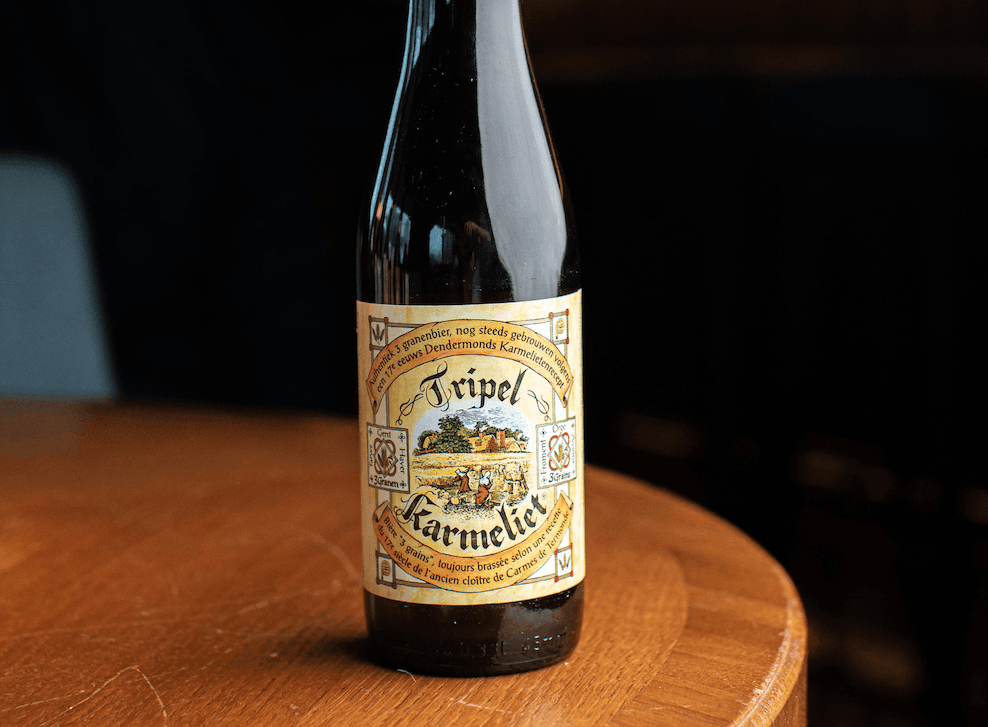
Tripel Karmeliet is one of Belgium’s best-known tripels. It is brewed at the Bosteels brewery using a recipe inspired by 17th-century monastic traditions. The beer’s defining feature is its combination of three grains: barley, wheat, and oats. These are what give Tripel Karmeliet its characteristic creamy texture and complex flavor, with fruity and spicy notes.
We explore how this Belgian ale came about, what sets it apart from other tripels, which dishes pair best with it, and why it is worth trying at Lambic beer restaurant.
The History of Tripel Karmeliet: From a Monastic Recipe to Worldwide Recognition
Tripel Karmeliet owes its origins to the Belgian Bosteels brewery, founded in 1791 in the town of Buggenhout. Over seven generations, the family business developed its own recipes, combining traditional brewing methods with modern technology.
Tripel Karmeliet itself appeared much later, in 1996. While working on a new beer, brewer Antoine Bosteels experimented with combining several types of grain. During this process, he discovered a historical recipe dating back to 1679, which belonged to a Carmelite monastery in the nearby town of Dendermonde. It also described the use of three grains in brewing: barley, wheat, and oats.
The similarity between the recipes inspired the brewers to name their new beer Tripel Karmeliet, in honor of the Carmelite order. The year 1679, when the original recipe was created, was printed on the label to emphasize the beer’s historical roots.
Today, Bosteels Tripel Karmeliet is known far beyond Belgium. It has received numerous awards at international beer competitions and is considered one of the most outstanding representatives of the style.
Production Features: Why Tripel Karmeliet Uses Three Grains
In traditional brewing, the main raw ingredient is barley malt. Tripel Karmeliet combines three different grains, each of which contributes to the beer’s characteristics:
- — Barley provides the malty foundation, giving the beer its richness, color, and distinctive bready notes.
- — Wheat makes the flavor fresher and lighter, adding subtle notes of freshly baked bread.
- — Oats are responsible for the smooth, almost creamy texture and the long, delicate finish.
Another distinctive feature of this beer’s production is its lengthy brewing cycle. At the Bosteels brewery, the process takes approximately six to seven weeks. The bottled version of Tripel Karmeliet undergoes secondary fermentation directly in the bottle. This gives the beer natural carbonation and produces a small deposit of yeast at the bottom.
The Flavor Profile of Tripel Karmeliet
Tripel Karmeliet beer belongs to the category of strong Belgian pale ales. Its alcohol content is 8.4%, although the alcohol is barely noticeable in the taste.
The beer has a rich golden color with subtle amber hues. When poured, it develops a dense white head with a creamy texture that remains on the surface for quite some time.
The aroma is complex yet harmonious. It features notes of citrus, banana, lemon, coriander, herbs, pepper, vanilla, malt, and freshly baked bread, along with subtle herbal and floral nuances.
The first impression on the palate is a gentle malty sweetness, gradually complemented by citrus freshness and spices. Thanks to the oats, the texture is rounded and silky. The finish brings moderate bitterness and a slight dryness.
Unlike many other strong ales, Tripel Karmeliet does not feel heavy. Its expressive flavor, smooth texture, and refreshing character are perfectly balanced.
What to Serve with Tripel Karmeliet
Thanks to its fruity and spicy flavor and moderate bitterness, Tripel Karmeliet pairs well with a wide variety of dishes. Some of the best matches include fish and seafood, meat, poultry, cheeses, risotto, and fruit- or cream-based desserts.
When choosing food to accompany the beer, it is important to consider not only the main ingredients but also the cooking method. For example, baked fish with a creamy sauce will pair better with Tripel Karmeliet than the same fish served with a spicy tomato marinade.
How to Serve Tripel Karmeliet Properly
Serving temperature: 6–9 °C. If the beer is too cold, it loses some of its aroma, while at a higher temperature the alcohol may become more pronounced.
Glassware: the branded Tripel Karmeliet glass or a tulip-shaped glass. A special stemmed glass was designed for this beer and decorated with images of heraldic lilies. Its wide bowl and narrowing rim help concentrate the aroma and maintain a dense head.
Pouring the beer correctly is important. Tilt a clean, dry glass at approximately 45 degrees and gradually pour in the beer. As you pour, slowly bring the glass upright to create a beautiful head of foam.
Tripel Karmeliet is best enjoyed in small sips, allowing the beer to gradually reveal its fruity, grainy, and spicy notes.
Where to Try Tripel Karmeliet in Moscow
You do not have to travel to Belgium to discover one of its best-known tripels. You can try Tripel Karmeliet at any Lambic beer restaurant. Come and visit us — we will find the perfect food pairing for this beer based on your preferences or recommend another interesting style. See you soon!


Trappistes Rochefort 6, 8 and 10: Three Distinct Personalities of a Legendary Belgian Beer
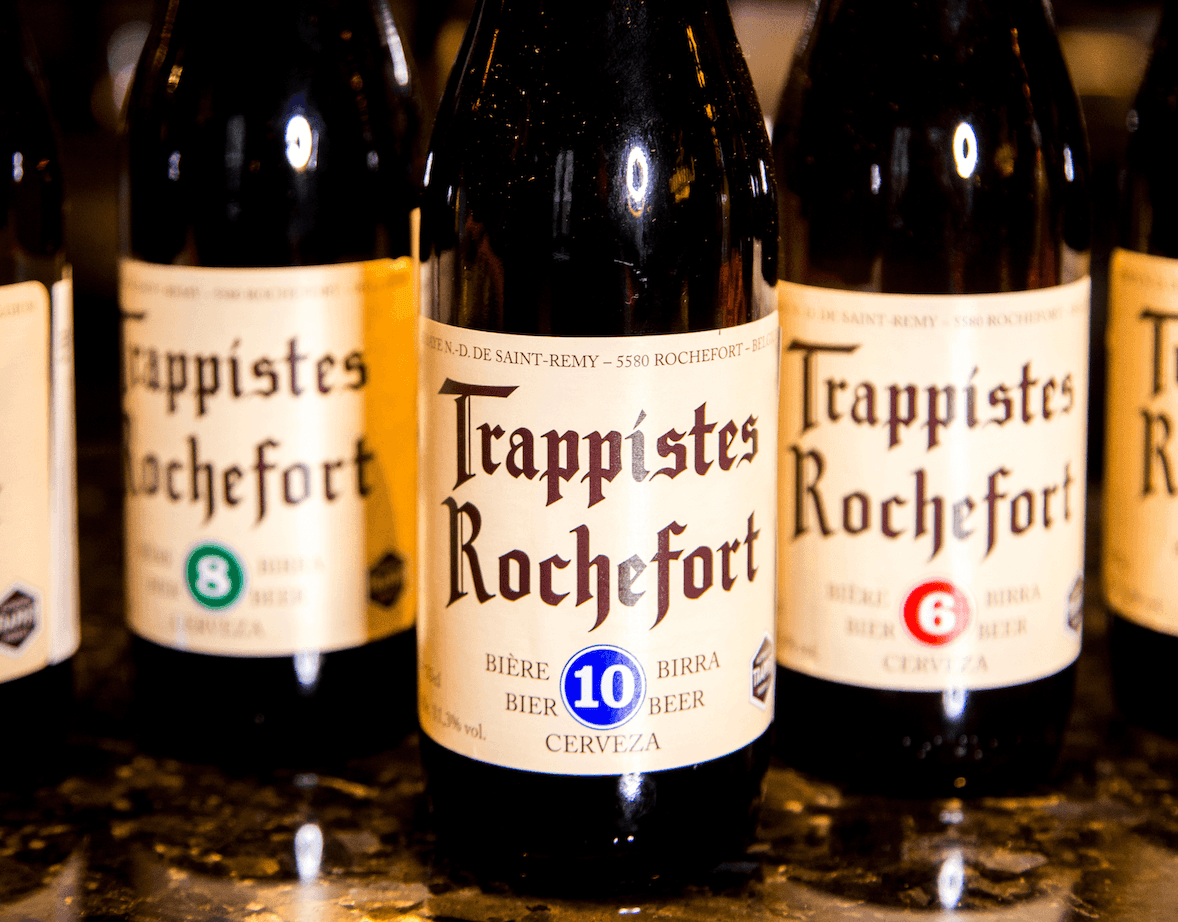
Contents The History of Trappistes Rochefort: Beer Rooted in Monastic Traditions Why Rochefort Beers Are Named 6, 8 and 10 Trappistes Rochefort 6: A Smooth Taste for Your First Introduction Trappistes Rochefort 8: A Balance of Strength and Richness Trappistes Rochefort 10: Strong and Full-Bodied Rochefort 6, 8 and 10: What’s the Difference? How to Serve Trappistes Rochefort Properly Where to Try Trappistes Rochefort 6, 8 and 10 Belgian Trappist beer Trappistes Rochefort is known and loved around the world. Three varieties hold a special place in this legendary range: Rochefort 6, 8 and 10. All three are brewed at the same brewery, yet they differ considerably in strength, body and flavour profile. Which Rochefort should you choose for your first taste? How do the varieties differ, and which dishes pair best with each of them? We’ll explore all this in our article. The History of Trappistes Rochefort: Beer Rooted in Monastic Traditions Trappistes Rochefort is brewed at the Abbey of Notre-Dame de Saint-Rémy, located near the Belgian town of Rochefort. The monastery’s history dates back to the 13th century, while the first documented evidence of a brewery operating on its grounds dates back to 1595. Today, Rochefort is one of the world’s best-known Trappist beers. Its products carry the Authentic Trappist Product label, which confirms compliance with the strict requirements of the International Trappist Association. This certification means that the beer is brewed on the premises of a Trappist abbey under the supervision of the monastic community. The proceeds from its sales go towards maintaining the monastery, supporting the monks and funding charitable causes. Why Rochefort Beers Are Named 6, 8 and 10 The numbers in the names of Trappistes Rochefort beers are not related to their alcohol content. They originate from an old Belgian system for measuring the density of brewing wort. The higher the original gravity of the wort, the more dissolved substances it contains, including sugars that yeast can convert into alcohol. This indicator affects the beer’s potential strength and overall character. However, the numbers 6, 8 and 10 are neither modern gravity measurements nor alcohol percentages. Their actual alcohol content is 7.5%, 9.2% and 11.3%, respectively. All three varieties are top-fermented ales. They are brewed using water, barley malt, sugar, yeast, hops and spices. However, each variety has its own distinctive balance of flavour and aroma. Trappistes Rochefort 6: A Smooth Taste for Your First Introduction Trappistes Rochefort 6 is the lightest of the three varieties. It has a beautiful ruby-amber colour and a delicate, light-coloured head. Its aroma reveals fruity, grainy and caramel notes. The taste is smooth, with moderate sweetness, a hint of spice and a delicate bitterness. Despite having a relatively low ABV for the range — just 7.5% — Rochefort 6 has a fairly pronounced malty character. At the same time, it is less full-bodied and intense than the other two varieties. Trappistes Rochefort 6 is an ideal choice for those just beginning to explore strong Belgian ales, prefer a balanced flavour and dislike excessive sweetness. It pairs beautifully with roasted poultry, pork, meat appetisers and semi-hard cheeses. Trappistes Rochefort 8: A Balance of Strength and Richness Trappistes Rochefort 8 was introduced in the 1950s. Originally, it was brewed for the Christmas season under the name Spéciale. Later, it became part of the permanent range and grew into one of the most popular Rochefort beers in Belgium. It has a rich dark brown colour and a dense, light beige head. Its aroma combines caramel, dark berries, dried fruits and spices. On the palate, malty sweetness, fruity notes and moderate bitterness stand out. Compared to Rochefort 6, this ale is fuller-bodied and more complex. Its 9.2% ABV is also more noticeable. The variety’s main strength lies in its balance of sweetness, spice and richness, making it an excellent choice both for sipping on its own and for pairing with hearty dishes. This beer will appeal to fans of expressive dark ales who appreciate complex flavours without excessive heaviness. The best food pairings include braised beef, duck, meat dishes with spicy sauces and aged cheeses. Trappistes Rochefort 10: Strong and Full-Bodied Trappistes Rochefort 10 is the strongest of the classic trio and one of the brewery’s best-known varieties outside Belgium. It was first brewed in the early 1950s. It stands out for its deep dark brown colour and creamy beige head. Its complex aroma features pronounced notes of chocolate, coffee, spices and dark fruits. On the palate, malty sweetness, chocolate and roasted notes take centre stage. These are complemented by fruity undertones and moderate bitterness. Its high ABV of 11.3% creates a distinctive warming sensation. This variety is ideal for those who appreciate strong, full-bodied beer with a complex aroma and a long-lasting finish. It pairs particularly well with aged cheeses, rich meat dishes and desserts featuring chocolate and caramel. Rochefort 6, 8 and 10: What’s the Difference? The main differences between the varieties lie in their strength, intensity and flavour balance. In short, Trappistes Rochefort 6 is the smoothest and a great choice for a first introduction; Trappistes Rochefort 8 is balanced and complex; while Trappistes Rochefort 10 is the richest and strongest of the three. However, a higher number does not mean that the beer is objectively better. The choice comes down to personal preference: some may prefer the lightness of the «Six», while others will enjoy the harmonious profile of the «Eight» or the rich flavour of the «Ten». How to Serve Trappistes Rochefort Properly To appreciate the distinctive qualities of each variety, it is important to serve the beer at the right temperature and choose the appropriate glass. The brewery recommends serving Rochefort 6, 8 and 10 at a temperature of 12–14 °C. If the beer is chilled too much, its aroma will become muted, making the malty, fruity and spicy notes less noticeable. A chalice-shaped or tulip glass is best for tasting. Pour the beer carefully, allowing it to run down the side of the glass. Towards the end of the bottle, you can gradually straighten it to create a nice foamy head. For a comparative tasting, we recommend moving from the least strong variety to the richest: start with Rochefort 6, continue with 8 and finish with 10. This order makes it easier to distinguish the individual characteristics of each beer. Where to Try Trappistes Rochefort 6, 8 and 10 All three classic Rochefort varieties are available at Lambic beer restaurants. Come and visit us — we’ll help you choose a beer that will leave a lasting impression, along with the perfect dishes to accompany it. We promise: this gastronomic experience will be one to remember!
19 November 2026
Flemish Beef Stew with Bourgogne des Flandres Beer: The Secret to Rich, Deep Flavor
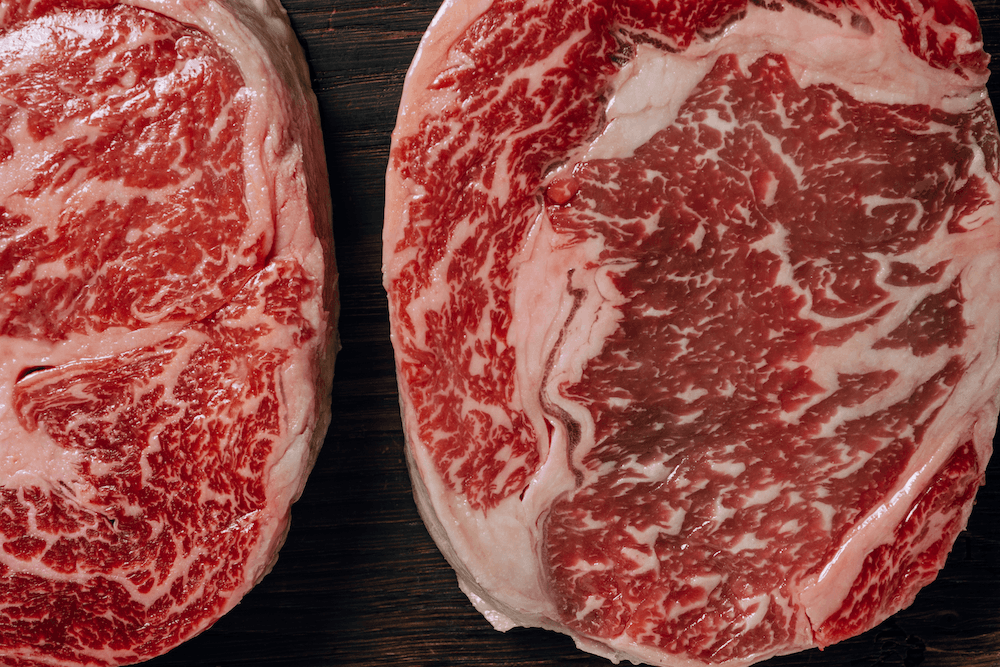
Contents What Is Flemish Beef Stew? Why Is Flemish Beef Stew Cooked in Beer? Bourgogne des Flandres: Why We Use This Beer for Flemish Beef Stew How Slow-Cooked Beef in Beer Is Prepared What to Serve with Flemish Beef Stew Where to Try Authentic Flemish Beef Stew Flemish beef stew is a traditional Belgian dish. It is made with quality beef that is slowly braised in dark beer with onions and spices. The beer gives the dish its rich flavour, subtle acidity and distinctive caramel aroma. You can try Flemish beef stew at any Lambic beer restaurant. We’ll tell you what makes this famous beef dish so special and why Lambic is the perfect place to start exploring Belgian cuisine. What Is Flemish Beef Stew? Flemish beef stew is a meat dish originating in Flanders, a historic region spanning parts of modern-day Belgium, France and the Netherlands. Unlike classic stews made with stock or wine, Flemish beef stew uses beer as the base for its sauce. The traditional recipe includes several key ingredients: — Beef. Chuck, neck or other cuts suitable for slow braising are usually used. — Beer. It should always be dark, such as Bourgogne des Flandres. — Onions. They soften during cooking and add natural sweetness to the dish. — Mustard. It enhances the flavour of the meat and adds a touch of spice to the sauce. — Spices and herbs. Bay leaves, thyme and black pepper are most commonly used. Some Belgian recipes include a slice of bread spread with mustard to thicken the sauce. Brown sugar or gingerbread is sometimes added to balance the bitterness and acidity of the beer. The key to preparing this dish is slow cooking over low heat. Over several hours, the meat gradually becomes tender, while the sauce develops a thick consistency and concentrated flavour. Why Is Flemish Beef Stew Cooked in Beer? Beer serves several purposes in this dish. It provides the braising liquid, develops the aroma and helps balance the rich flavour of the meat. Here’s what beer brings to Flemish beef stew: — Depth of flavour. Malty, caramel and roasted notes complement the taste of the beef. — A balance of sweetness and acidity. The beer’s acidity balances the sweetness of the onions and the richness of the meat sauce. — Aroma. Depending on the beer style, the finished dish may develop fruity, bready, spicy and woody notes. — A base for the sauce. As the stew simmers, some of the liquid evaporates, allowing the flavours of the meat, vegetables and beer to blend together. The tenderness of the beef comes primarily from the long cooking process. Beer mainly influences the flavour and aroma. Bourgogne des Flandres: Why We Use This Beer for Flemish Beef Stew Bourgogne des Flandres is a Belgian red-brown ale made using a unique blending technique known as the lambic blending method. Specially selected spontaneously fermented beer from Timmermans, aged in an oak barrel, is blended with Bruinen Os, a brown top-fermented beer. The blend is then aged in barrels once again. The finished beer has a complex and expressive flavour, with notes of caramel and malt, fruity undertones, moderate acidity, gentle sweetness and delicate bitterness. This combination makes Bourgogne des Flandres an excellent base for a rich meat sauce. Its caramel notes complement the seared beef, its fruity acidity balances the richness of the meat, and its malty sweetness pairs beautifully with slow-cooked onions. Beef braised in dark beer can develop different flavours depending on the beer selected. Stouts often bring pronounced coffee and roasted notes, sweet dark ales contribute caramel flavours, while Bourgogne des Flandres adds its distinctive fruity acidity. How Slow-Cooked Beef in Beer Is Prepared Preparing braised Flemish beef stew involves several steps: The beef is cut into large chunks to help it retain its juiciness during the long cooking process. The meat is seared until golden brown. Onions are sautéed in the same pan. Mustard, spices and other ingredients are then added according to the recipe. The meat is combined with the onions and covered with beer. The dish is cooked covered over low heat for approximately 2–3 hours, sometimes longer. When ready, the braised beef should be tender enough to separate easily with a fork while still holding its shape. The sauce becomes thick and aromatic, with pronounced meaty and malty notes. What to Serve with Flemish Beef Stew In Belgium, the classic accompaniment to Carbonnade flamande is French fries. Other popular side dishes include mashed potatoes, boiled potatoes, stewed vegetables and fresh bread. For a drink, choose a Belgian dark ale, a Flemish ale or Bourgogne des Flandres itself. Where to Try Authentic Flemish Beef Stew You don’t have to travel to Flanders to discover traditional Belgian cuisine. You can enjoy authentic Flemish beef stew at any Lambic beer restaurant. We prepare it according to a traditional recipe, using beef neck, Belgian Bourgogne des Flandres beer, onions, garlic and aromatic herbs. Thanks to the slow cooking process, the meat becomes tender, while the sauce develops a thick, rich texture with distinctive malty notes and a subtle touch of acidity. We serve our Flemish beef stew with country-style potatoes and crispy baguette with garlic butter. We also recommend a perfectly matched beer to bring out the flavours of this legendary dish even more. See you at Lambic!
19 November 2026